Cremation or burial: Which is best for you?
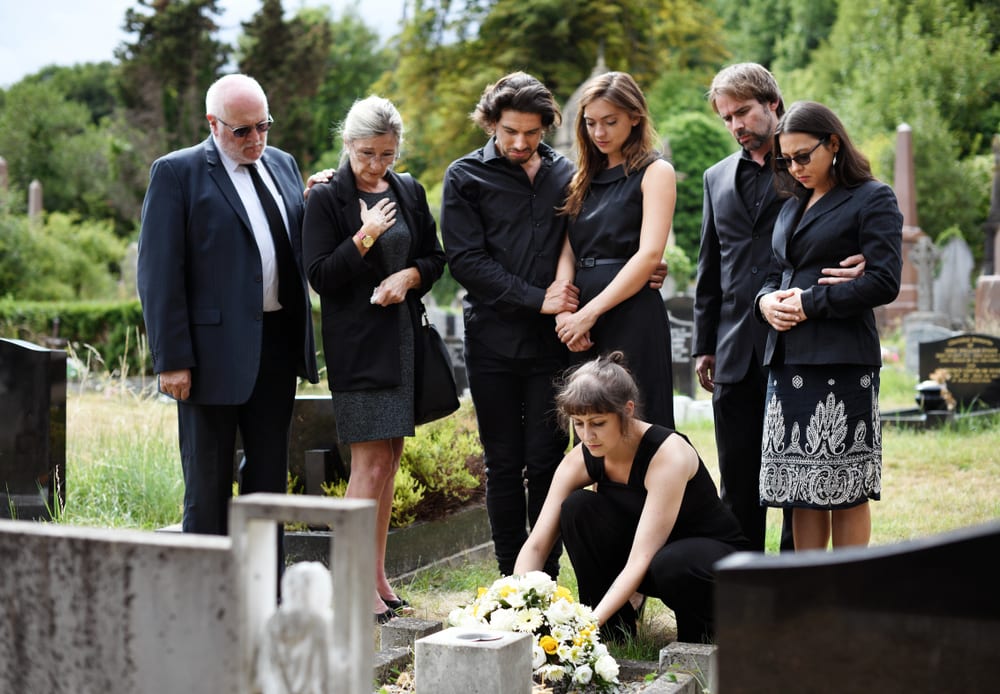
Cremation or burial? This is one of the most important questions when it comes to arranging a funeral.
Not sure whether to choose a cremation or burial? This guide covers everything you need to make an informed decision.
From costs and environmental impact to religious considerations and what happens to remains - we cover it all.
Which is more popular, cremation or burial?
In 2025, nearly three quarters of UK funerals were cremations - 53% attended and 21% direct cremations - with burial accounting for just 26%*.
In 2019, 74% of funerals were attended cremations, 23% were burials, and just 3% were direct cremations. Since then, direct cremations have grown significantly in popularity - largely driven by cost - whilst burial has remained relatively stable at around 25%.
Cremation or burial, which is cheaper?
The costs of cremation or burial can differ throughout the UK, although the average cremation costs are considerably less.
The average cost of a traditional attended cremation in the UK is £4,200, compared with £5,440 for a traditional burial - a saving of around 23%*.
You can see the same pattern when you look at simpler services too. A simple attended cremation in the UK costs on average £3,518, compared with £4,758 for a simple burial.
That’s roughly a 26% saving, which makes cremation an appealing choice for families who want a dignified service without the higher costs associated with burial.
The cost of a funeral is strongly influenced by where the service takes place and the funeral arrangements. For example, in London the average cost of a simple attended funeral is £4,897. Whilst in Northern Ireland the average is just £3,105.
Lastly, the price of cremation is considerably less if you choose a direct cremation; on average £1,628.
Direct cremation - The cheaper alternative
A direct cremation takes place without a service beforehand, or mourners present. Due to the simple nature of this type of funeral, a direct cremation is the most cost-effective funeral option available in the UK.
At Simplicity, we offer direct cremation services from just £1,800. Unlike a traditional funeral arranged by a funeral director, our funerals are arranged over the telephone by our team of funeral experts.
This allows us to provide considerable cost savings and our funeral prices remain fixed, regardless of where you live in the UK.
Which is better for the environment, cremation or burial?
Comparing how environmentally friendly the two options can be very difficult, as there are many factors involved.
Along with the burial and cremation process, you’ll need to consider how many mourners are attending, the distance and mode of transport they'll use, how far the flowers had to travel, and even the clothes the deceased will be dressed in.
Cremations and the environment
The cremation process releases gasses into the atmosphere which aren't released by the burial process. However, it's important to note that crematoriums must adhere to strict standards to make the cremation process as environmentally friendly as possible.
There's also the energy use to consider with cremation as it requires a lot of fuel.
Burials and the environment
The chemicals used for embalming (formaldehyde, also used in the production of veneer chipboard coffins) are toxic and carcinogenic.
When a body is buried, these chemicals can leak out into the surrounding area and groundwater. However, embalming is not a requirement of burial as a body can buried without been embalmed.
Land use is another consideration when choosing burial, as one of the main reasons for the popularity of cremation (and cost differences between cremation and burial), is that burial space is limited in the UK. Land use is not a concern for cremation.
If choosing an option an eco-friendly funeral option is important to you, a burial at a natural burial ground may be most appropriate. These burials don't use embalming fluids and coffins are made of environmentally friendly and biodegradable materials.
Natural burials can also be less expensive than a traditional burial.
Religious beliefs about cremation vs burial?
Your loved one’s religious beliefs may influence your decision to choose a cremation or burial. Some religions don't believe in cremation, making a burial the only option:
Buddhism: Buddhists can choose cremation or burial, although cremation is more common as it's believed Gautama Buddha was cremated
Christianity: Most Christian groups support cremation and burial equally, with a few exceptions. The Eastern Orthodox Church for example, forbids cremation. Historically cremation was banned by the Catholic Church, but nowadays it is widely accepted. However, most Catholic churches prefer the body to be present for Funeral Mass meaning the cremation would have to take place after this service. Following the cremation, the ashes need to be buried or stored in a sacred place
Hinduism: Hindus are normally cremated. Hindus place little value on the body itself and see no importance on preserving the corpse, which is the intent of burial in other religions. In Hindu funerals, the role of cremation is to sever the ties of the soul to the body that it is leaving, freeing it to move toward mukti. Some families will take the ashes to India to scatter them in the Ganges. Saints, holy men and children under three years old are buried
Judaism: The Jewish law asks that a body is washed, dressed in the proper clothing and buried as soon as possible. Due to the various sects of Judaism, Jewish funeral tradition between each congregation can vary however, with Reform Jews allowing cremation
Islam: Cremation goes against the beliefs of Islam, as Muslims believe that a body should be honoured and respected as it was in life, meaning Muslims are prohibited from choosing cremation
Sikhism: Cremation is preferred by Sikhs although burial is accepted if the circumstances do not allow for cremation
After the funeral: options for cremation or burial
Whether you choose a cremation or burial, there are memorialisation options you may choose for after the funeral.
One of the key differences between burial and cremation is that the ashes can be returned to the family following a cremation. There are many options for what can be done with ashes.
The most popular option is to scatter the ashes in a place that was special to your loved one and family, such as a local park or a beauty spot
If a final resting place with the option to visit your loved one is a key consideration, interment of the ashes would be more suitable. There are also many unique things you can do with ashes, from turning them into a beautiful piece of jewellery, to creating a vinyl record.
Many people choose direct cremation so they can arrange a memorial service or celebration of life event in honour of their loved one at a time and place away from the crematorium.
This can be particularly helpful if you need more time to make arrangements or gather distant family members. Families who have chosen a traditional cremation may also choose to arrange a memorial service in addition to a funeral service at the crematorium.
For some people, the above options can feel very final. You may instead wish to keep your loved one’s ashes at home in an urn, where they can be close to you.
If you choose a burial funeral, either in a cemetery or on private land, a headstone can be erected to provide a physical location for friends and family to visit to remember their loved one, providing you have the landowner’s permission.
The cost of a headstone can vary considerably depending on the material, finish, shape and personalisation. Memorials such as benches, statues and trees are also increasingly common.
A final thought on cremation vs burial
Choosing between cremation and burial isn't always easy - whether you're planning ahead or arranging a funeral for a loved one.
Cremation is often the more flexible and affordable choice, offering the option of a crematorium service or a separate memorial, and greater freedom when it comes to your loved one's final resting place.
Nevertheless, the choice is a personal decision to be made by you and your family. Should you be making the decision on your loved one’s behalf, you should take their beliefs into account.
If you feel strongly about making decisions for your own funeral, a prepaid cremation plan can allow you to plan and pay for your funeral in advance.
For help arranging an affordable direct cremation funeral for a loved one, contact us today. We’re here 24 hours a day, 365 days a year, so we’ll be here when you need us.
Source:
*https://www.sunlife.co.uk/ siteassets/documents/cost-of-dying/ sunlife-cost-of-dying-report-2026.pdf
