How long does it take to cremate a body?
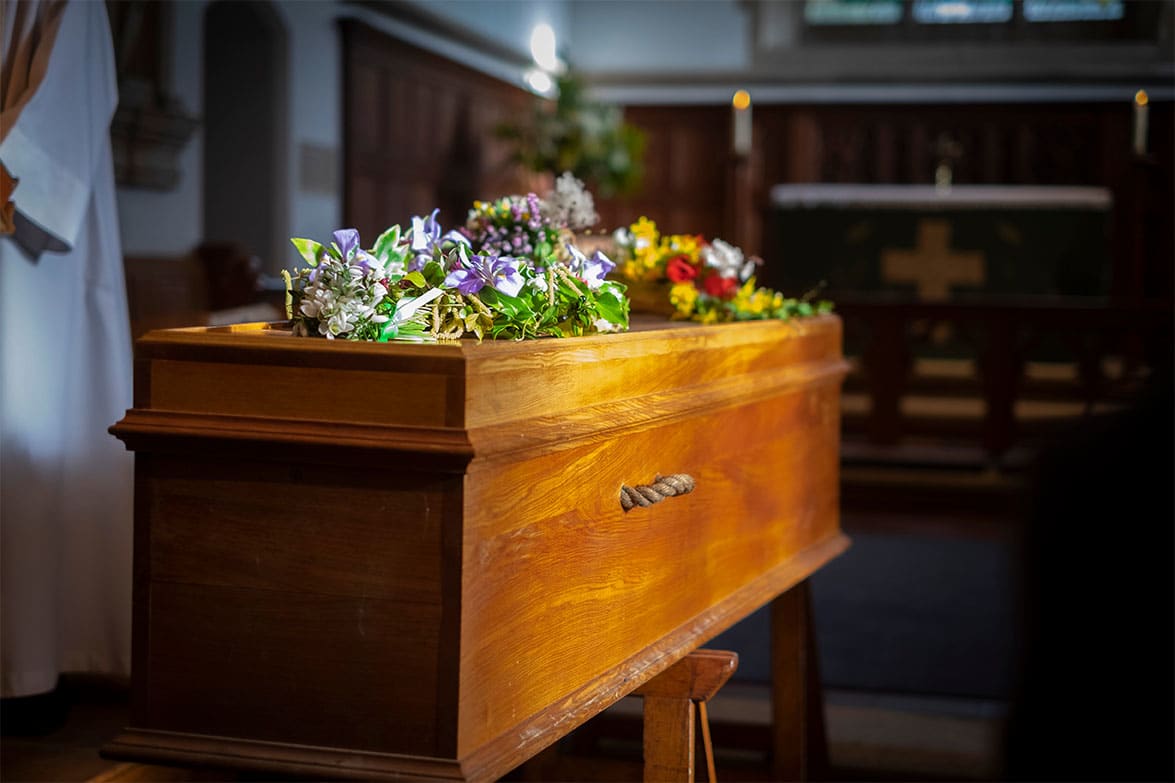
The cremation itself typically takes between one and three hours.
During this time, the cremation chamber is heated to between 750 and 1,000 degrees Celsius, reducing the body to bone fragments, which are then carefully processed into ashes.
The exact duration will vary depending on a number of factors, including the size and weight of the deceased, the type of coffin used and the temperature of the cremator.
Following the cremation, a cooling process takes an additional one to two hours before the ashes can be safely handled and prepared for return to the family.
It’s worth noting that the cremation itself is just one stage of the overall process. From the point of passing away, to the return of ashes, the full timeline typically spans two to four weeks, with legal paperwork, registration and preparation all taking place beforehand.
Factors affecting the cremation time
Several factors influence how long a cremation takes. Each element affects how quickly the body reaches the required temperature and how efficiently the cremator operates.
These variables also shape the overall timeline from the start of the cremation, to the point when ashes can be processed and returned.
Understanding these factors helps explain why no two cremations take the same amount of time.
1. Body size
A larger body generally takes longer to cremate because more time is needed for the heat to fully penetrate and break down the remains. This extended heating period naturally lengthens the overall cremation time.
Smaller individuals, by contrast, tend to cremate more quickly because less mass needs to reach the required temperature.
These variations are normal and expected, and crematoria will adjust their processes to ensure every cremation is carried out safely, respectfully and in line with regulations.
2. Coffin material
Coffins made from dense or solid materials, such as hardwood, take longer to combust and therefore extend the time needed inside the cremation chamber.
Lightweight or eco‑friendly coffins, such as cardboard or softwood, burn more quickly and can shorten the process. The coffin lining, fittings and finishes can also influence how efficiently the cremator reaches and maintains the correct temperature.
These differences are factored into scheduling to ensure a smooth and dignified process.
3. Cremator temperature
Higher cremator temperatures will speed up the process, while lower temperatures increase the time needed for complete combustion.
Cremators typically operate between 750°C and 1,000°C, and higher temperatures speed up the breakdown of the body and coffin.
If the cremator is cooler at the start of the cycle, such as first thing in the morning, it may take longer for the chamber to reach optimal heat.
Modern cremators, like the facilities used at Simplicity, are designed to maintain consistent temperatures, but small variations may still affect how long the process takes.
What is the full cremation process from start to finish?
Understanding the full cremation process, from the point of death through to the return of ashes, can help remove some of the uncertainty that families can feel during a difficult time.
Here is a step-by-step overview of what typically happens:
Step 1 - Collection of the deceased
Once a death has occurred, the deceased is collected by the cremation provider and transferred into their care. At Simplicity Cremations, our team is available 24 hours a day, 7 days a week, to arrange collection from a hospital, hospice or private residence.
If you have a funeral plan with us, the cost of the collection is always included as standard. Some providers charge an additional fee for urgent, out of hours collection.
If you don’t have a funeral plan in place, collections from locations with a mortuary, such as a hospital, remain free of charge, although if collected from a home there'll be a fee.
Step 2 - Care and preparation
The deceased is brought into the provider's dedicated care centre, where they are looked after with dignity and respect whilst the necessary arrangements and paperwork are completed.
The deceased will remain in the care centre until the day of the cremation.
Step 3 - Death registration and legal paperwork
Before a cremation can take place, the death must be formally registered with the local register office, usually within five days in England and Wales. A medical certificate confirming the cause of death is required to do this.
Step 4 - Medical certificates and cremation authorisation
In addition to the death certificate, cremation requires additional medical certification, typically completed by one or two doctors, to confirm the cause of death and that cremation is appropriate.
This is a legal requirement specific to cremation and doesn't apply to burial. In cases where a coroner is involved, additional time may be required before a cremation can be authorised.
At Simplicity we can seamlessly guide you through this process, taking care of all the necessary paperwork, and supporting you at what is be a challenging time.
Step 5 - Scheduling the cremation
Once all paperwork has been completed and authorised, the cremation is scheduled at the crematorium.
For a direct cremation, this is arranged by the provider without the need to coordinate a specific date or time around mourners, making the process cheaper, more flexible and efficient.
New to direct cremation? Our what is a direct cremation? guide covers everything you need to know.
Step 6 - The cremation
The cremation itself takes place in a cremation chamber heated to between 750°C and 1,000°C. The process typically takes between one and three hours, depending on body size, coffin material and cremator temperature.
Step 7 - Cooling and ash processing
Following the cremation, the remains cool for one to two hours before being carefully processed into a fine ash and placed into a temporary container or urn.
Step 8 - Return of ashes
The ashes are then returned to the family, either by hand delivery, collection from the crematorium, or scattering in the crematorium's garden of remembrance.
At Simplicity Cremations, scattering in our garden of remembrance and collection of the ashes is included at no additional charge. If you have a funeral plan with us we can also hand deliver the ashes anywhere within mainland GB without charge.
From the point of death, to the return of ashes, the full process typically takes 2 to 4 weeks, with the majority of this time accounted for by legal paperwork and scheduling, rather than the cremation itself.
Please note the below timings are simply a guide, and the process may take longer due to factors like crematorium capacity etc.
| Stage | Typical timeframe |
|---|---|
| Collection of the deceased | Within hours of death |
| Death registration | Within 5 days (England & Wales) |
| Medical certificates | 2 - 7 days |
| Cremation scheduling | 1 - 2 weeks after paperwork complete |
| Cremation and ash processing | 1 day |
| Return of ashes | 2 - 5 days after cremation |
| Total end-to-end | 2 - 4 weeks |
Cremation FAQs:
Does a direct cremation take less time?
A direct cremation doesn't shorten the actual cremation time itself, the chamber process still takes one to three hours, followed by cooling and ash preparation.
What it does shorten is the overall timeline, because there's no service, no chapel booking and fewer scheduling delays. This means a direct cremation can usually take place sooner, making the end‑to‑end process quicker for families.
Can cremation take longer during busy periods?
Yes, during high‑demand periods, such as winter months, crematoria may have longer waiting times for available slots. This affects scheduling but not the technical cremation duration.
How long after the cremation can the ashes be collected?
Ashes are typically ready for collection within two to five days of the cremation taking place, though this can vary depending on the provider and crematorium.
After the cremation, the bone fragments go through a cooling period of one to two hours before being carefully processed into ashes. They are then placed into a temporary container or urn, ready for return to the family.
Most direct cremation providers will either:
- Hand deliver the ashes to your home, usually within a few days of the cremation
- Allow collection from the crematorium directly
- Scatter the ashes in the crematorium's garden of remembrance
At Simplicity Cremations, ashes can be scattered in our garden of remembrance at no additional charge, or returned to you by hand delivery for an additional fee (unless you have a plan in place with us, where we don't charge).
How long is an attended cremation service?
A typical attended cremation service lasts between 30 and 60 minutes at the crematorium, though this can vary depending on the crematorium's slot allocation and the family's wishes. Some crematoriums offer extended slots for an additional fee.
This time covers the committal service itself, including any music, readings, tributes or words from a celebrant or officiant, before the coffin is committed to the cremator.
With an unattended direct cremation, like that offered by Simplicity, the duration of the service is far less of a consideration.
As no mourners are present, there's no need to book a specific time slot around family availability; the cremation is scheduled by the provider at a time that suits crematorium capacity.
How long until the ashes are ready?
The ashes are usually ready within a few days of the cremation. After the one‑to‑three‑hour chamber process, the remains must cool for one to two hours before they can be processed into a fine ash.
Crematoria then prepare and package the ashes for collection or delivery. In busier periods, or where additional paperwork is required, this can extend the timeline slightly, but most families receive the ashes within a few days to a week.
If you have a direct cremation funeral plan with Simplicity we're able to hand deliver the ashes without charge. When arranging a cremation without a plan in place, as with other providers, there is an additional fee to have ashes delivered.
What is a cremation certificate and how long does it take to process?
Before a cremation can take place, a cremation certificate must be issued, a legal requirement specific to cremation that doesn't apply to burial.
In England and Wales, the cremation certificate, formally known as 'Form Cremation 4', is issued by an independent medical referee appointed by the crematorium.
They review the medical cause of death documentation and confirm cremation is appropriate before authorising the process to go ahead.
What's required before it can be issued?
- A registered death certificate
- A medical certificate of cause of death
- Cremation forms completed by one or two doctors confirming no reasons prevent cremation
In straightforward cases, the certificate is typically processed within one to three days of all paperwork being received. This can take longer if a coroner's investigation is required, a doctor is unavailable, or crematoriums are experiencing high demand.
It's worth noting that in Scotland, a single Form E replaces the two-doctor process, a more streamlined approach. A similar but distinct process applies in Northern Ireland.
At Simplicity Cremations, our team handles all the necessary paperwork on your behalf throughout the process.
How soon after the funeral service does the cremation take place?
In most cases, the cremation takes place immediately after the funeral service, usually within the same hour. Once mourners have left the chapel, the coffin is transferred directly to the cremation chamber.
However, in some cases, particularly at busy crematoriums, the cremation may not take place until later that day, as crematoriums often run multiple services back to back and must manage scheduling carefully.
With a direct cremation, this question is less relevant as there's no funeral service. The cremation is simply scheduled by the provider at the next available slot, making the process more efficient.
